guides
The Wool Care Guide: Wash Less, Air More
Wool doesn't need much washing, just the right kind. When to air instead of wash, how to clean and dry safely, and how to handle pilling and moths.
By The Picks Desk · Nov 3, 2026 · 3 min read
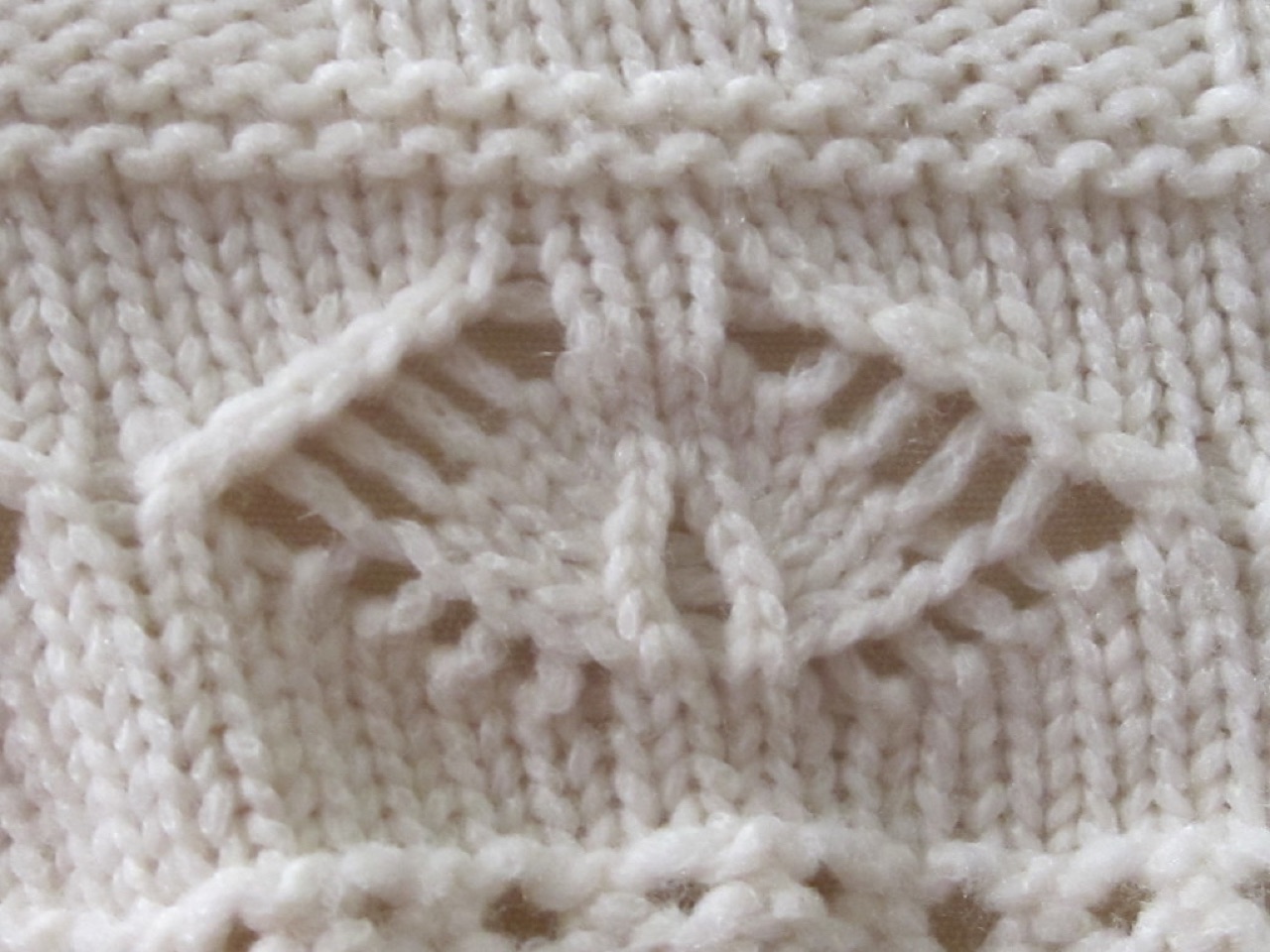
Wool has a public relations problem: people treat it like cotton, wash it to death, and conclude it’s high-maintenance. It’s the opposite. Wool is low-maintenance with a few sharp edges. Wash it rarely, store it smartly, and a decent merino sweater outlasts half your cotton rotation.
Wash less, air more
Wool’s surface has a scaly structure that resists dirt, and its lanolin content resists odors far better than cotton. In practice: a sweater worn over a base layer can go five or six wears, sometimes more, before it needs water. Undershirts and base layers get washed after every wear or two; the sweater on top mostly doesn’t.
The reset move is air. Hang the piece somewhere with moving air — near an open window, on a hook by a door — overnight. Body odors dissipate and wrinkles largely relax on their own. This sounds like advice for people who don’t sweat; try it once before judging. If the underarms are the problem, spot-clean them with a damp cloth and a drop of gentle detergent and keep going.
Washing less isn’t just convenience. Every wash cycle is the main mechanical stress behind shrinking, felting, and pilling. Skipping washes is the care.
The washing rules
When a piece does need water:
- Hand wash in lukewarm water with wool detergent or baby shampoo. Soak for ten minutes, gently squeeze the water through the fabric — never wring or scrub. Rinse in water of the same temperature. Temperature shock and agitation are the two things that felt wool, and they compound each other.
- Machine only on a true wool cycle, which uses cold water and a near-still drum, in a mesh bag, with a few items together so they cushion each other. A “delicate” cycle is not a wool cycle — delicate cycles still agitate.
- Never the dryer, unless the care label explicitly says tumble-dryable. Some superwash-treated merino tolerates low heat; most wool does not.
We’ve revived shrunken wool by soaking it in lukewarm water with a little hair conditioner and gently stretching it back to shape while damp. It recovers most of the way. Treat that as a rescue, not a method.
Drying and storage
Wet wool is heavy and weak. Never hang a wet sweater — the weight stretches the shoulders permanently. Roll it in a dry towel and press to absorb water, then dry it flat on a rack or towel, reshaping it to its true dimensions while damp and flipping it once halfway through.
For storage: fold sweaters, never hang them — hangers distort shoulders over a season. For off-season storage, clean the item first, because moths are drawn to soil and body oils as much as to the wool itself, then seal it in a bag or bin. Cedar and lavender are mild deterrents that help at the margins; the seal is what actually protects.
Pilling, and other small repairs
Pilling — those little fuzz balls — comes from friction, not neglect. It shows up where a bag strap crosses your body, under armholes, and along the sides where a coat rubs. It is not a defect, and it doesn’t automatically mean the sweater is cheap, though longer, stronger fibers pill less and settle down faster.
A cashmere comb or a small fabric shaver handles it in a couple of minutes. Do it early and occasionally rather than aggressively and rarely — you’re cleaning the surface, not shearing the sweater.
Loose ends and small holes are worth fixing early. A snag pulled through to the inside with a crochet hook takes a minute; a small hole ignored for a season becomes a big hole. Quality merino basics — the kind Uniqlo and similar brands sell in the $20-$50 range, check the current price — are inexpensive enough to justify light care and not so precious that maintenance feels like a chore.
That’s the whole system: air between wears, wash cold and gentle rarely, dry flat, fold, and comb pills when they show up. Fifteen minutes a season, and wool stops being fragile and starts being the easiest thing you own.
The Picks Desk
A two-person editorial desk that wears, washes and price-checks everything before it appears here.