guides
Keeping White Clothes White: A Working Method
White clothes stay white through prevention and method, not miracles. A practical routine for washing, stain triage, and knowing when brightness is gone.
By The Picks Desk · Nov 5, 2026 · 3 min read
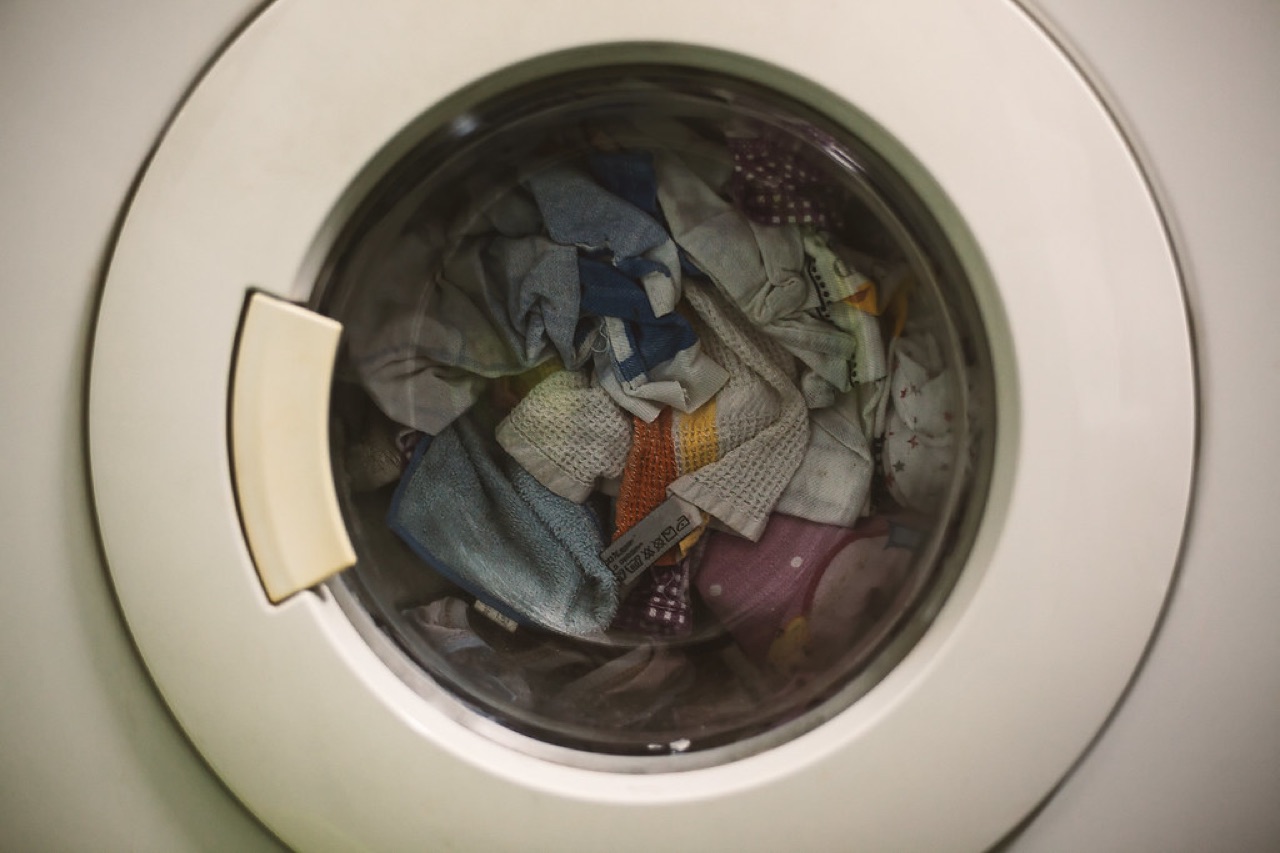
White clothes don’t turn gray because laundry detergent is weak. They turn gray because of an accumulation of small, avoidable insults: underdosing detergent, cold washes that never remove body soil, a stray colored sock, and stain treatment that arrives a week late. The fix is a method, not a stronger product.
Prevention is most of the battle
Most whitening problems start before the wash:
- Wash whites separately. Not “ideally” — always. Dark and even light-colored fabrics release dye in every wash, and whites collect it like a filter. One mixed load can dull a white tee permanently.
- Don’t overload the drum. Clothes need room to move and rinse. A packed drum leaves soil suspended in the water, which resettles on everything — the chief cause of that uniform gray cast.
- Wash whites promptly, and warmer. Body oils and sweat yellow fabric over time, and they set with age. A white tee washed soon after wearing, in warm water, stays brighter than one washed occasionally in cold.
Underarm yellowing specifically is protein-based sweat reacting with the aluminum in antiperspirant. Switching to an aluminum-free deodorant does more for white shirts than any laundry additive you can buy.
The washing method
For a load of whites: warm or hot water (check care labels — hot is fine for sturdy cotton, less kind to synthetics and elastane), a full dose of a good detergent, and, if the load is truly grimy, a scoop of oxygen bleach added to the cycle.
Oxygen bleach — sodium percarbonate, sold as a powder — is the workhorse. It’s color-safe by design, works over hours, and lifts the organic soil that regular detergent leaves behind. For badly dulled whites, soak them in a sink of warm water with a scoop of it for one to four hours, then wash normally. It costs a few dollars at any grocery store and does most of what people expect from fancier products.
Chlorine bleach has exactly one job — emergency stain removal on sturdy white cotton — and even then, diluted and briefly. Regular use weakens fibers, and on cotton-polyester blends it can actually make fabric look more yellow over time, which is the opposite of the assignment.
Stain triage, fast
Speed beats chemistry. Fresh stains come out; set stains negotiate:
- Sweat and yellowing: an oxygen bleach soak for hours, or overnight for bad cases.
- Coffee, wine, food: cold water run from the back of the fabric to push the stain out, then detergent rubbed directly on the spot and a normal wash. Never hot water on a fresh unknown stain — heat can set protein.
- Oil and makeup: a drop of dish soap worked into the spot before washing outperforms most stain sticks.
- Ink: rubbing alcohol on a cotton ball, dabbed rather than scrubbed.
One rule ties it together: check the garment before it goes in the dryer. Dryer heat sets whatever the wash didn’t remove. If a stain survived the wash, retreat and rewash before drying.
What doesn’t work, and when to stop
The blue-ing agents, “whitening” detergents, and sun-bleaching folklore are mostly noise. Sunlight genuinely helps freshen cotton whites as a finishing step, but it’s a supplement, not a rescue. Optical brighteners in detergents coat fabric with a fluorescent film that makes whites look brighter — until the film builds up and adds its own gray-yellow cast, which is why an occasional deep strip-soak with detergent, oxygen bleach, and washing soda can reset a genuinely dulled piece.
There’s also an honest endpoint. A white garment that has gone uniformly yellow-gray from years of body soil and heat setting will not come back, no matter what you soak it in. That’s the point where replacing a basic is the rational move — a plain white tee is only a few dollars at H&M, check the current price — rather than an afternoon of chemistry. Brightness is renewable; fiber worn thin by bleach and boiling water is not.
The Picks Desk
A two-person editorial desk that wears, washes and price-checks everything before it appears here.