basics
The oxford shirt roundup: five fabrics, one machine
We bought five oxford shirts, washed every one twenty times in the same machine, and ranked which fabrics actually survived the routine.
By The Picks Desk · Nov 1, 2026 · 3 min read
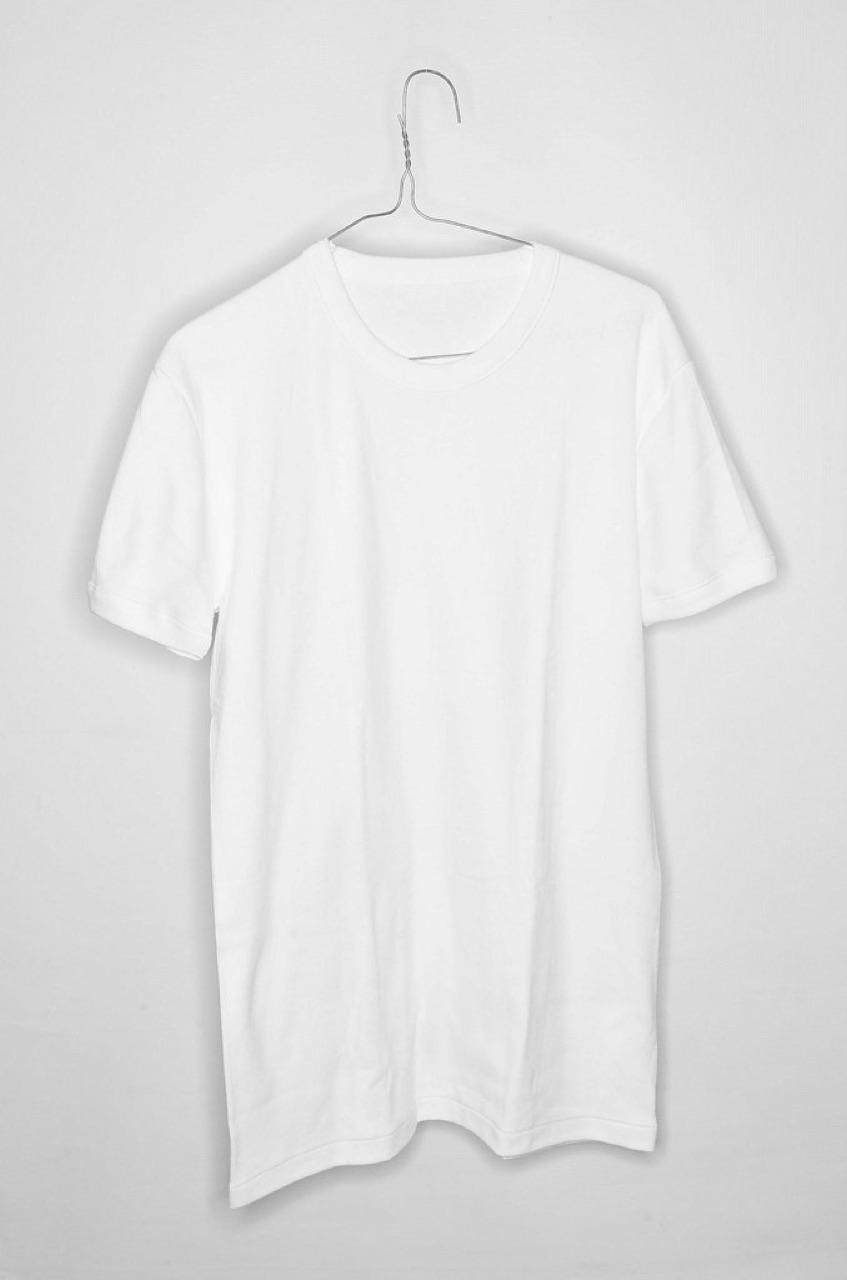
The oxford shirt has outlived every trend that was supposed to replace it, and it did that by being boring in the best way: a basket-weave cotton that drapes cleanly, rolls at the collar, and shrugs off laundering that would ruin most dress shirts. The catch is that not every shirt labeled oxford deserves the name. So we bought five of them in size medium, from Uniqlo, Everlane, H&M, Gap, and one mid-priced option pulled off the rack at Nordstrom, and spent two months wearing and washing them on an identical schedule.
How we ran the test
Every shirt went through the same machine, the same cold-water cycle, the same low-heat tumble dry, twenty times across eight weeks. Each one got roughly the same wear: two office days a week, one weekend day, and one humid commute that pushed them hardest. After every fifth wash we checked three things: whether the collar still rolled on its own without being pressed, how quickly wrinkles relaxed during an hour of wearing, and whether the body had shrunk enough to pull the button placket out of line. Prices ran from about $20-$30 on the budget end to $60-$70 at the top, and prices move, so check the current price before deciding anything.
The two that held their shape
The Everlane shirt was the heaviest of the five, and it showed. The fabric has enough body to make the collar roll sit the way an oxford is supposed to sit: a soft ridge where the collar meets the placket instead of a flattened flap. After twenty washes it had shrunk maybe a quarter of an inch in the sleeve, which is nothing, and the creases that formed on a hanger relaxed within the first hour of wear. The shoulder seams never shifted, and the dye stayed even where the collar rubs against a jacket.
The Uniqlo shirt is a different animal: lighter, crisper, and faster drying. It does not have the same collar structure, but it comes out of a low-heat dryer looking pressed and it was the one we reached for in warm weather. It wrinkles a little more easily than the heavier shirt, but the wrinkles are small and shallow, the kind that smooth out as you move. For roughly $30-$40, it is the easiest of the five to justify owning two of.
The budget shirt that aged badly
The H&M oxford is the loser here, and it lost fast. By wash ten the collar had wilted into a permanent crease, the body had shrunk about half a size, and the placket began twisting so the buttons no longer sat in a straight line. None of this was subtle from across a room. If you wear an oxford twice a month, it might last long enough that none of it matters. As a weekly shirt, it aged a full season in two months.
The Gap shirt landed in the middle of the pack: slightly boxy through the body, a collar roll that needed a little encouragement, no real complaints beyond the cut. The Nordstrom option was well made but cost more than the Everlane without looking better, which is its own kind of verdict.
Which one we kept in rotation
We re-bought the Everlane as the anchor shirt and picked up a second Uniqlo as the workhorse. That combination covers what the five-shirt experiment was really testing: one oxford with structure for days when you want the collar to behave under a jacket, and one lighter shirt you can wear, wash, and wear again without thinking about it. Skip the ultra-budget oxfords unless you truly wear one a few times a year. The money you save at checkout shows up on the ironing board and in the collar within weeks, and a shirt that looks tired after one season is not actually saving you anything.
The Picks Desk
A two-person editorial desk that wears, washes and price-checks everything before it appears here.