outfits
The interview outfit guide: one formula, three industries
One interview outfit formula, adjusted for finance, tech, and creative fields — what to wear so the clothes never become the story.
By The Picks Desk · Nov 13, 2026 · 4 min read
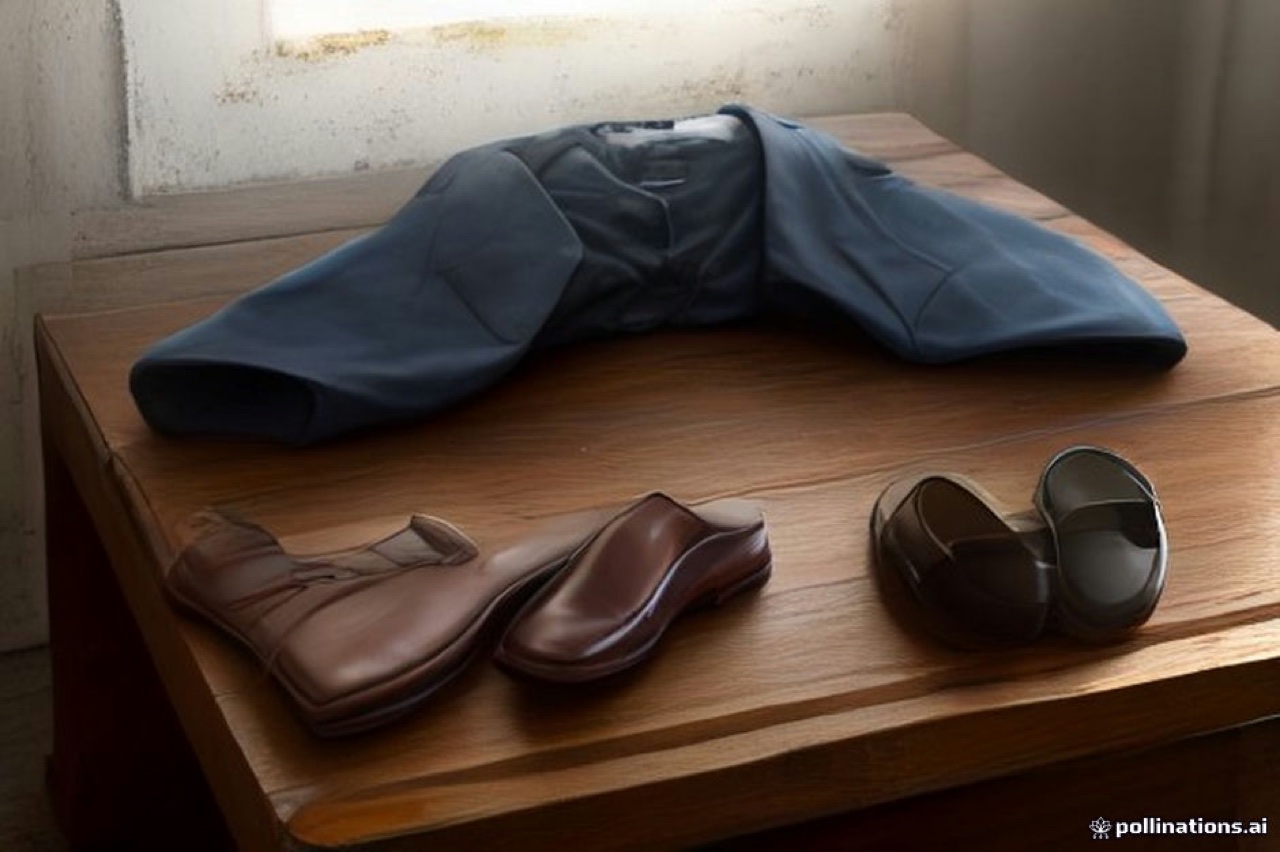
An interview outfit has one job: to be unremarkable. Every minute the interviewer spends thinking about your clothes is a minute not spent on your answers, so the winning strategy is an outfit that matches expectations so precisely it becomes invisible. The catch is that expectations differ by industry — the outfit that vanishes in a bank lobby stands out in a startup lobby, and not in a good way. So the approach is a single formula with one variable to adjust per field.
The formula: one notch above their daily norm
Whatever people at the company wear on an ordinary Tuesday, wear one notch above that. One, not two. Two notches above the norm is how you get the finance candidate in a three-piece suit at a t-shirt company, or the design candidate in a full suit at an agency that’s never seen one. One notch reads as respect; two reads as not knowing the culture, which is a worse signal than almost anything you can wear.
Research the notch before the day: look at photos of the team on the company site, or ask the recruiter directly — “what do people usually wear in the office?” is a normal question that makes you look prepared, not out of place.
Then build from this base: solid trousers, a pressed shirt, clean closed shoes, one layer you can remove, nothing shiny, nothing new. Every field adjusts the same three dials: formality of the trousers, whether the shirt is collared, and whether a jacket appears.
Finance and corporate: the notch is already high
Banking, law, insurance, anything with a client-facing uniform — here the daily norm is a suit, so your one notch up is suit quality, not suit existence.
- A navy or charcoal suit, single-breasted, fits at the shoulders. If it doesn’t fit, the tailoring you pay for after purchase matters more than the label. A $150-$250 suit from a department store altered to fit beats a $600 suit worn off the rack. Nordstrom carries solid options and their in-house alterations are worth using. Check the current price, we note the date we checked ours.
- White shirt, pressed, top button open or closed depending on tie. If tie: solid, dark, nothing that moves.
- Dark leather shoes, polished, matching the belt exactly.
Everything in this field is about precision. A wrinkled trouser break or a scuffed shoe is a detail the room will notice, because this is a culture that notices details professionally.
Tech and startup: the notch is nearly flat
The daily norm is hoodies, so one notch up means: no suit, no tie, and absolutely no stiff formal trousers.
- Dark, tailored chinos or wool-blend trousers. Not jeans — jeans are the norm, and the notch has to be above it.
- A crisp oxford or a quality knit polo in a solid color. Ironed — this field dresses down so routinely that the one pressed element carries all your signal.
- Clean minimal sneakers in leather, or loafers if the company skews slightly formal. Actual clean, not “clean from three feet away.”
The mistake here is overcorrecting. The candidate who wears a blazer to a company where the CEO wears fleeces hasn’t shown respect; they’ve shown they didn’t look around before walking in.
Creative and agency: fit is the entire outfit
Design, media, marketing — the norm ranges from streetwear to smart casual, and the field evaluates clothes as evidence of taste. The safe play is not copying their style; it’s a well-fitted, color-disciplined neutral.
- Trousers in a considered cut, maybe a texture — a heavier twill or a soft wool.
- A solid shirt, possibly with the collar worn open, in a slightly unusual but quiet shade: sage, rust, ecru.
- Boots or loafers with character. A jacket is optional; if worn, it should be a piece, not office-issue — a dark chore coat or an unstructured blazer.
Here, one interesting element is a plus. Three is a costume.
The morning of
Lay everything out the night before and inspect it at daylight: wrinkles, pet hair, scuff marks, the button you’ve been meaning to fix since last year. Wear nothing on its first outing — new shoes, new shirts, new trousers all misbehave in ways you want to discover at home, not in a lobby. Then leave the house with the layer that comes off, because interview rooms run either freezing or stuffy and you don’t control the thermostat.
The formula does the work so you don’t have to think about it. One notch above the norm, fit at the shoulders, shoes clean, nothing shiny. Then walk in and let the answers be the memorable part.
The Picks Desk
A two-person editorial desk that wears, washes and price-checks everything before it appears here.