basics
Flats vs loafers for the commute
We alternated flats and loafers across a month of commutes to see which one handles sidewalks, trains, and a full workday better.
By The Picks Desk · Nov 17, 2026 · 3 min read
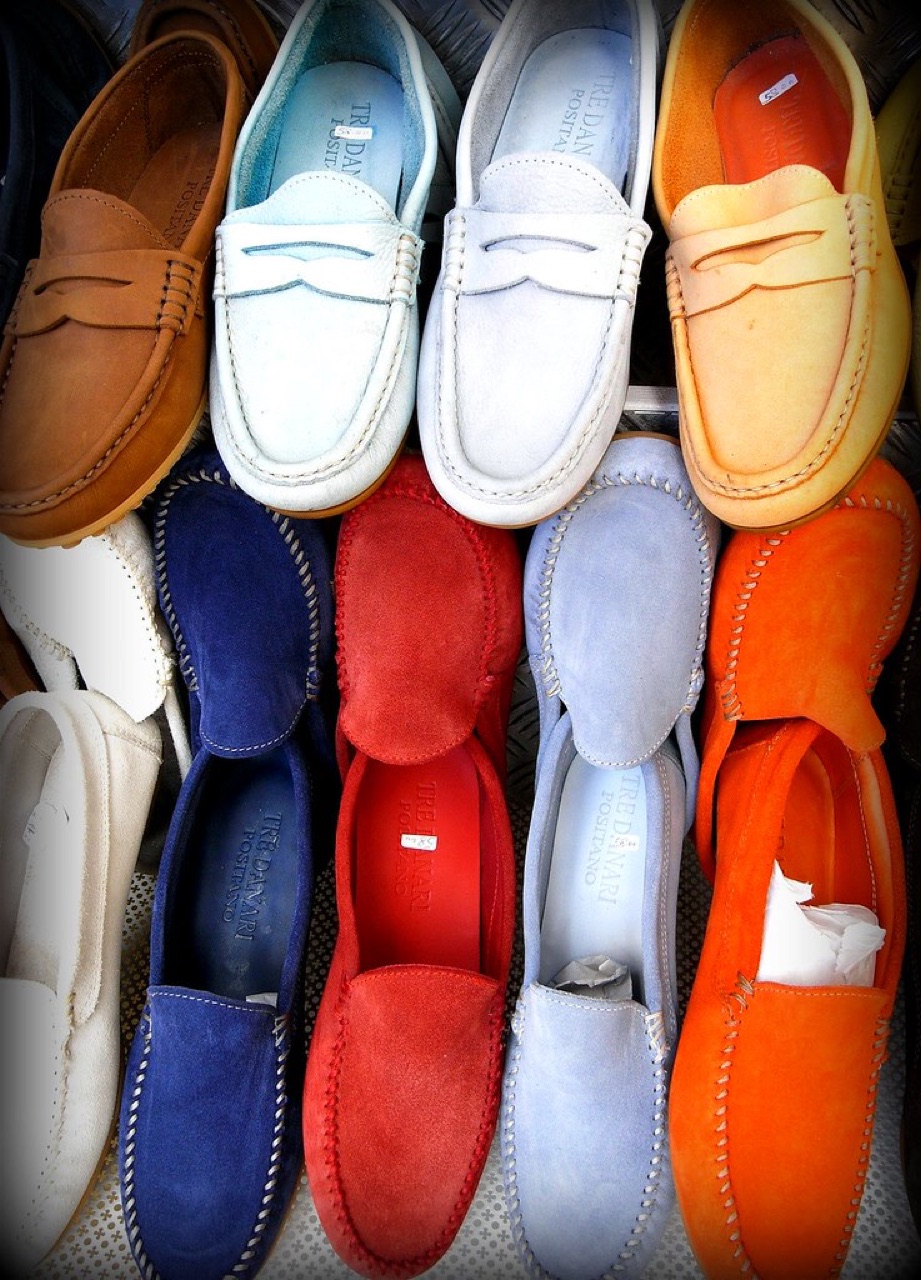
Flats and loafers get recommended interchangeably as the polished alternative to sneakers, but they are built for different feet, different socks, and different sidewalks. To settle which one actually suits a commute, we alternated them for a month: the same 25-minute walk-train-walk route each way, five days a week, with real weather included. One tester wore the flats, one wore the loafers, and both carried the other pair for the swap days. Rain arrived on schedule in week two, which turned out to be the most informative stretch of the month.
The setup: two shoes, one route
The flats were a classic rounded-toe pair from Nordstrom at about $60-$90, and the loafers were a penny style from H&M in the $40-$60 range, and prices move, so check the current price. Both were worn with thin no-show socks on alternating days to give each a fair shot at blister prevention. The route includes two long staircases, a block of unshaded sidewalk that bakes in afternoon sun, and one train platform where the gap between car and platform has eaten a shoe edge before. We logged comfort at the end of each day for four weeks.
Comfort by the third week
The loafers needed a break-in week and then disappeared. Stiff leather at the heel gave a hot spot for the first three wears, after which they were the most comfortable polished shoe either of us wears: the structured footbed distributes pressure across the whole foot, the back protects the heel, and stairs stopped being a negotiation. The flats never needed break-in and were comfortable immediately, but they plateaued at fine rather than great. By the third week the flats tester reported the same pattern daily: rubbing at the outer heel on the walk home, and tired arches after the stairs because the insole is thin enough that every step transmits the pavement. We swapped shoes for two days mid-month to rule out foot shape as the whole explanation. The loafers stayed comfortable on the flats tester’s feet, and the flats produced the same heel rub on the loafer tester, which confirmed the pattern was in the shoe design rather than the person wearing it.
Rain, puddles, and platform gaps
Weather split the vote. The loafers’ leather upper shrugged off drizzle, but the smooth leather sole turned slick on wet metal staircase edges, which changed how we walked on exactly the mornings we needed confidence. The flats’ thin upper soaked through fast at the toe in real rain, and a deep puddle meant a damp workday, but the rubber-ish sole gripped better on wet surfaces. The platform gap gave the edge to the loafers too: the reinforced toe took a scrape without a mark, while the flats came out of the month with a scuffed toe box that no cream fully hid.
Which one we reach for now
The month ended with a split assignment rather than a winner. The loafers won the workdays: they look intentional with trousers and blazers, they survived the month with almost no visible wear, and once broken in they were the more comfortable walk. The flats won the warm weeks and the dry ones, when the loafers’ structure felt like overkill and the lighter shoe earned its keep. The honest loser was neither shoe but the fantasy that one polished flat shoe can do everything: rain performance, stair comfort, and dressing up push these two in opposite directions. If you commute in a wet climate, lean loafers with a rubber sole. If your route is short and dry, the flats are the lighter, cheaper buy.
The Picks Desk
A two-person editorial desk that wears, washes and price-checks everything before it appears here.