guides
Fit Terms, Decoded: Slim, Relaxed, Oversized and What Brands Mean
Slim, straight, relaxed, oversized: what fit labels actually mean, why the same word fits differently across brands, and how to shop by measurements.
By The Picks Desk · Nov 9, 2026 · 3 min read
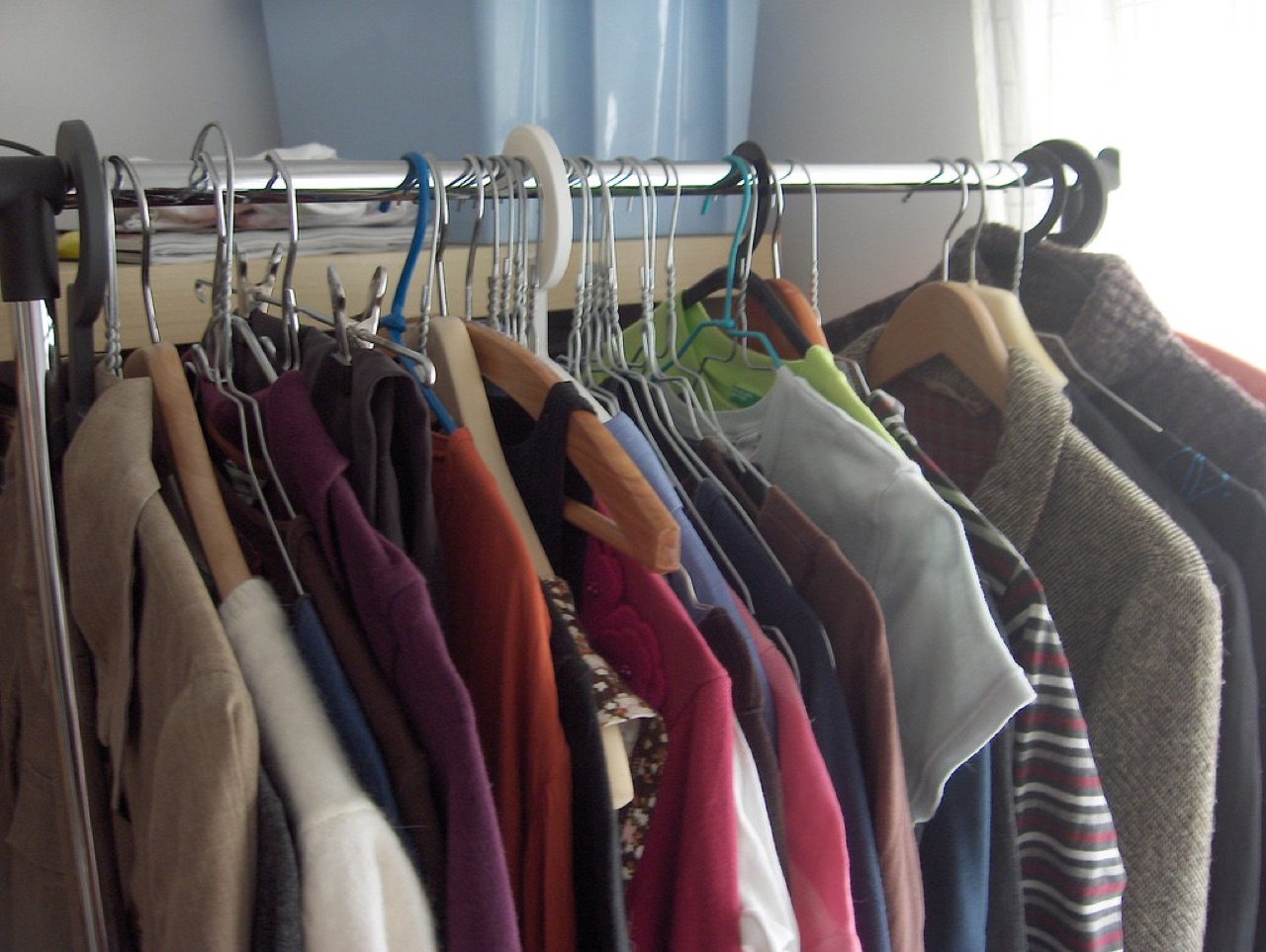
Fit labels — slim, straight, relaxed, oversized — look like a standardized system. They aren’t. They’re marketing shorthand, and the same word describes noticeably different garments from different brands. Once you learn what each term is trying to say, and where it fails, you can shop by numbers instead of vocabulary.
The three axes of fit
Every fit, from skin-tight to balloon, is a combination of three decisions:
- Volume: how much extra fabric circles the chest, waist, and seat. This is the difference between slim and relaxed.
- Taper: how much the leg or sleeve narrows from top to bottom. A straight leg and a slim leg can have similar thigh room but completely different openings.
- Length: where the hem lands — at the shoulder seam, mid-thigh, at the ankle, or pooling over it.
Most fit confusion is two axes fighting each other. A “relaxed tapered” jean has generous thigh room but a narrow ankle; people expecting both to be loose call it wrong. The label described exactly what it delivered.
The common terms, roughly decoded
Slim — cut close to the body with modest room to move. Not tight. If it pulls or stretches across the chest or thigh, that’s skinny territory, a different cut. Slim is the default modern cut for dress shirts and many jeans.
Straight — consistent width from top to bottom. Often the sweet spot for trousers and jeans: a clean line that works on most bodies and is neither trendy nor dated.
Relaxed — extra room through the chest, seat, or thigh without being intentionally baggy. Comfort-first, still shaped. (“Regular” confusingly means something similar at some brands and something else at others.)
Oversized — deliberately too big: dropped shoulders, extended sleeves, torso hanging away from the body. The volume is the design intent. If an oversized piece still drapes cleanly, the brand sized the drop correctly; if it looks like you raided someone’s closet, the brand just graded up a normal pattern.
Tapered / athletic — room where bodies are bigger (thigh, seat), narrower below (calf, ankle). The most useful cut for muscular legs, and the most mislabeled one, because brands disagree on how much taper.
Why the same label fits differently
There’s no enforcement behind these words. Each brand builds its own block — the base pattern every size grades from — and each block embodies that brand’s fit philosophy. Denim makes this visible: Levi’s 501 is a straight cut with a specific roomy history, while plenty of other “straight” jeans are cut narrower through the leg. The difference is obvious on the rack at any store that carries Levi’s next to house brands.
Two more distortions:
- Vanity grading. Some brands grade sizes generously through the middle so more people fit into smaller numbers. A medium at one brand is a large at another, and both are telling the truth about their own ruler.
- Fabric interaction. The identical pattern in rigid denim, soft flannel, and stretch twill produces three different fits on your body. Stretch fabrics read one size smaller than the pattern actually is.
Shop by numbers, use words as a filter
The practical workflow:
- Use fit terms only as a coarse filter — “slim” tells you a brand’s intent, so you don’t order a relaxed cut by mistake.
- Then go to the measurements: chest laid flat and doubled, sleeve from shoulder seam to cuff, inseam, and for pants the leg opening. Compare against a garment you already own that fits the way you like.
- Read the model note (“6’1”, wearing size M”) as one more data point, not a promise.
This is also why knowing one or two benchmark garments in your closet is worth more than any glossary. If your favorite shirt measures 21 inches pit-to-pit, then slim, regular, and classic all become checkable claims instead of vibes.
One honest caveat: the terms still work between brands that share a fit philosophy and fail across ones that don’t. The glossary gets you to the right neighborhood; the tape measure gets you to the right door.
The Picks Desk
A two-person editorial desk that wears, washes and price-checks everything before it appears here.