guides
A Fabric Glossary of Terms That Matter (and Ones That Don't)
Oxford, merino, GSM, twill: which fabric terms actually predict how a garment wears, which are marketing filler, and how blends help more than hurt.
By The Picks Desk · Nov 13, 2026 · 3 min read
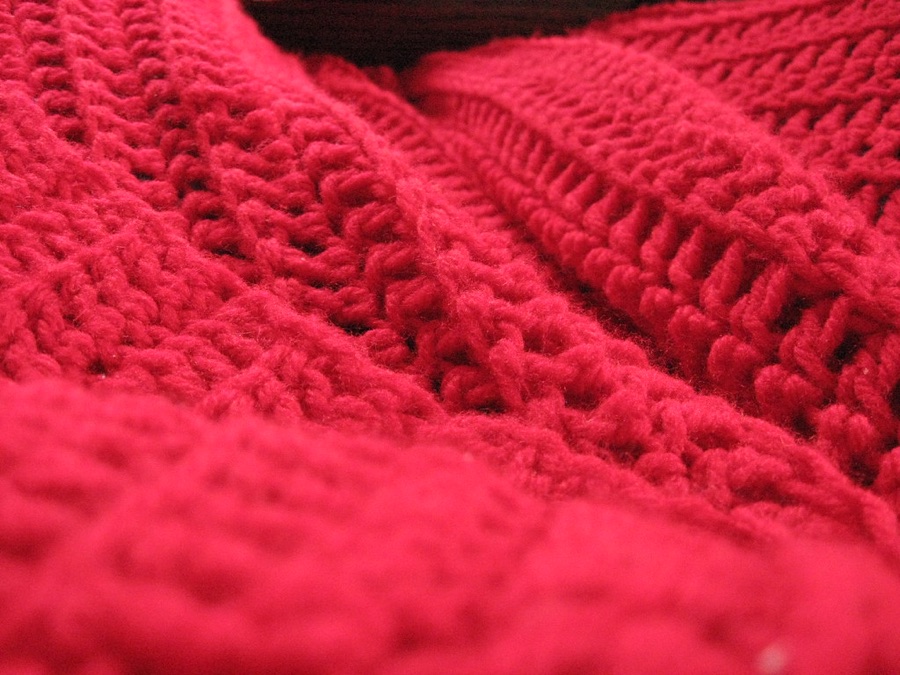
Fabric labels are where clothing marketing gets most confident and least informative. “Premium,” “luxury,” “tech-infused” — none of it tells you how the garment behaves. But a handful of technical terms genuinely do predict wear, drape, and longevity. Learn those and ignore the rest.
Terms that actually predict something
Fiber content percentages (100% cotton, 60/40 cotton-poly) — the single most useful line on a label, because fiber drives everything: absorbency, wrinkle behavior, warmth, drying speed, pilling tendency.
GSM, or fabric weight (grams per square meter, mostly on knits and tees) — tells you density without touching the garment. A rough guide for t-shirts: 120-150 GSM is lightweight, drapes well, and wears out faster; 180-220 is midweight, the standard for a good tee; 240 and up is heavyweight, structured and durable but slow to dry. A brand that publishes GSM is a brand confident in its fabric.
Oxford — a cotton weave with a slightly basket-like texture. Wrinkle-resistant for cotton, textured enough to look deliberate when rumpled, durable. The workhorse of casual button-downs for good reason.
Twill — the diagonal-weave family that includes denim, chinos, and flannel. Durable, drapes well, resists showing dirt. The diagonal lines are the tell.
Merino — fine wool that regulates temperature and resists odor, which is why merino base layers and sweaters can go many wears between washes. “Extra fine” merino is softer than the generic kind.
Linen — flax fiber. Breathes brilliantly, wrinkles instantly and visibly, and the wrinkles are the look. A “linen” shirt that is mostly cotton loses both linen’s character and its wrinkling; check the percentage.
Poplin versus flannel — the same cotton fiber at opposite ends: poplin is the fine, smooth dress-shirt weave; flannel is brushed twill, soft and warm. Knowing the pair saves you from ordering a summer shirt in winter weight.
Terms you can safely ignore
- “Premium,” “luxury,” “elevated” — pure adjectives. Fabric is either specified (fiber, weight, weave) or it isn’t.
- “Tech” anything on everyday cotton garments — usually polyester with a marketing budget.
- “Buttery soft” — feel descriptions tell you about the first wear, not the tenth. Softness from short fibers or heavy softener washes out; softness from long-staple cotton or fine merino lasts. “Long-staple,” “Supima,” and “Pima” are the label terms that actually point to the durable kind.
- Thread count on shirts — a bedsheets metric that wandered into apparel. Above a sensible range it just means thinner yarns and more fragile fabric.
Blends: usually a feature, not a compromise
Pure natural fiber sounds like quality, but blends exist for reasons:
- 2-5% elastane adds stretch and shape recovery to trousers, tees, and shirting. The cost: elastane is heat-sensitive and can’t be repaired once a hot dryer destroys it. More than about 5% starts to feel synthetic.
- Poly-cotton dries faster, wrinkles less, and costs less than pure cotton. In workwear and everyday tees that’s a feature. The trade is breathability and a slightly flatter feel.
- Nylon or polyester blended into wool — often 10-30% in outdoor socks and base layers — dramatically improves durability, which is why serious hiking socks are never 100% merino.
The blend worth mild suspicion is high polyester in anything worn against the skin in heat, because it traps odor. For everything else, blends are engineering, not dilution.
How to use this in thirty seconds
At a listing, check three lines: fiber percentages, weight if published, and weave name if it’s a woven shirt. Those three lines predict the garment’s actual behavior better than any photo. Brands that publish this data — the Uniqlos and Carhartts of the world, whose product pages specify fabric precisely — tend to be the ones whose fabrics perform as described; Carhartt built its name on plain weave specs doing exactly what they claim. Vague fabric talk usually signals a vague fabric.
And the final test stays analog: touch the garment, stretch a knit and see whether it springs back, hold a woven up to the light. Fabric vocabulary helps you shop online; your hands are still the best glossary.
The Picks Desk
A two-person editorial desk that wears, washes and price-checks everything before it appears here.