basics
Chino fabric, explained through the pairs we wore
Chino fabric decides whether the pair creases, sags, or survives summer. We wore three weights through a full season to map the differences.
By The Picks Desk · Nov 9, 2026 · 3 min read
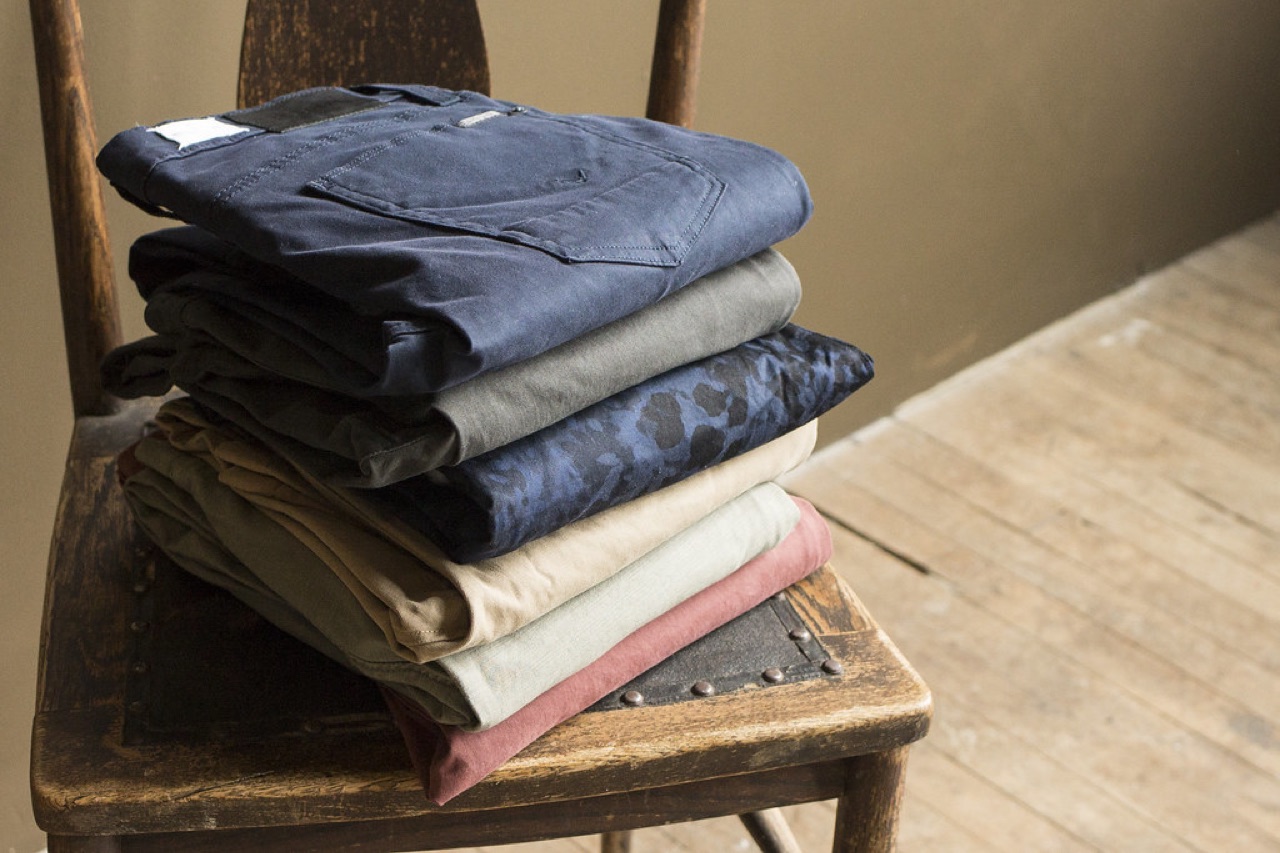
Most chino guides talk about cut and color and skip the thing your legs actually live in: the fabric. Weight, weave, and stretch percentage decide whether a pair creases into a office-acceptable smoothness or bags at the knees by lunch. Rather than write about fabric in the abstract, we wore three very different chinos through a full season and used the wear to explain what each construction does.
Three pairs, one season
We ran a lightweight pair from Everlane at roughly $60-$80, a classic midweight twill from Gap around $50-$70, and a stretch blend from Old Navy in the $35-$50 range, and prices move, so check the current price. Each pair got a week at a time on rotation from April through September: office days, weekend errands, one hot commute day per week, and each was washed cold and hang dried every third wear. We tracked creasing, knee bagging, breathability, and how each pair looked after a full eight-hour day. No tailoring was done to any pair, and all three were bought in the same nominal size each brand labels as its equivalent fit, so the fabric differences would carry the comparison on their own.
The lightweight pair: cool but crease-prone
The Everlane pair is the summer specialist. The lighter cotton breathes noticeably better on hot trains, and it dried after a rain-soaked walk faster than either of the others. The trade-off showed by midday: lightweight cotton creases, and this pair developed sharp horizontal creases at the back of the knee that read fine up close but slightly rumpled across a room. It is the fabric equivalent of a linen shirt: the creasing is part of the character. If your days involve long meetings where you sit and stand repeatedly, expect it to show wear faster than a heavier twill.
The classic twill: the default that works
The Gap pair is the reason the midweight twill survives as the standard. It creases less than the lightweight, bags less than the stretch pair, and looks pressed even on the third wear between washes. Across a full day it hit the balance we kept coming back to: enough structure to read as intentional with a blazer, enough give to sit through a cross-town bus ride. Fit consistency was its other quiet strength: through nine washes the waist and inseam moved less than half an inch, so there was never a re-breaking-in period between wears, something the stretch pair never managed. The one weakness is August. On genuinely hot days the heavier twill felt a full step warmer than the lightweight pair, and we simply stopped wearing it for the hottest three weeks of the season.
Stretch, knee sag, and the trade nobody mentions
The Old Navy pair has a small amount of elastane in the weave, and comfort on day one is genuinely excellent: the knees flex, the waist moves with you, and it was the favorite for long travel days. What nobody mentions is the aging pattern. By the end of the season the stretch pair had developed the worst knee bagging of the three, a soft balloon of fabric that only partly recovered after washing. The recovery gets worse with each wash cycle as the elastic fibers fatigue, which is why a stretch chino bought for comfort can look sloppier a year later than a rigid pair bought for structure.
Our mapping after one season: buy a classic midweight twill as your default pair, since it handled the widest range of days. Add a lightweight pair if you live somewhere hot or sweat through commutes, and accept the creasing as the price of cool legs. Buy stretch chinos for travel and comfort-first days, but treat them as a shorter-lived garment and do not make them your primary office pair.
The Picks Desk
A two-person editorial desk that wears, washes and price-checks everything before it appears here.